

A workable study schedule for Pomodoro for students with a part-time job gives each important assignment a specific place in the week. Start with your shifts, classes, commute, meals, and sleep guide, then assign study sessions to the openings that remain.
Suppose you have a biology assignment due Friday, a history discussion Thursday, and three shifts on the work schedule. The challenge is deciding what can happen before work, what needs a longer opening, and where unfinished work can move. The example below walks through those decisions.
1. Put fixed commitments on the calendar first
Write down your class times, work shifts, commute, appointments, and any responsibilities you cannot move. Include the transition after work: getting home, eating, and setting up your materials all take time. Protect your sleep rather than treating it as the overflow space for unfinished assignments.
Next, identify specific openings. “Tuesday, 10:00–10:50 a.m., at the library” is useful. “Study more on Tuesday” leaves another decision for an already busy day. You can plan on paper or in the calendar you already use.
Keep some available time unassigned. If every opening contains essential work, one late bus can make the whole plan feel impossible. An unassigned block gives you somewhere to move a task.
2. Turn your syllabus into a short assignment list
For each course, check the syllabus and your learning management system for the next two weeks. Record the actual due date and time, including the time zone if the course specifies one. Keep the submission deadline separate from the days you plan to work.
- Biology: finish the problem set by Friday at 11:59 p.m.
- History: prepare discussion notes before Thursday's class.
- Statistics: practice the question types covered on next week's quiz.
Give each assignment a first action. “Do biology” becomes “attempt questions 1–3 and flag any unfamiliar terms.” If you need a more detailed breakdown, use the big-assignment task guide.
3. Build a weekly schedule around your shifts
Here is an illustrative plan for those three priorities. This student works Monday and Wednesday evenings and Saturday afternoon. It is a planning example, not a recommendation for how many total study hours every student needs.
| Day | Available session | Concrete output |
|---|---|---|
| Monday | 12:30–12:55 p.m., before work | Attempt biology questions 1–3 |
| Tuesday | 10:00–10:50 a.m. | Continue the problem set and check uncertain answers |
| Wednesday | 11:00–11:25 a.m., before work | Write history discussion questions |
| Thursday | 3:00–3:50 p.m. | Practice statistics questions without notes, then check them |
| Friday | 1:00–1:25 p.m. | Review and submit the biology assignment |
| Sunday | 4:00–4:25 p.m. | Revisit difficult statistics questions |
That is 200 minutes assigned to these priorities. It excludes classes and other coursework. Additional open blocks remain available for unfinished work and assignments discovered during the week. Adjust the plan if the work needs more time; the table is a starting estimate, not a promise that every assignment fits.
4. Give each session an active study method
A timer can help you start, but the activity inside the session matters. For biology, attempt a question before checking the solution. For history, close the reading and explain its main argument in a few sentences. For statistics, solve a problem and note exactly where your reasoning taking breaks down.
Cornell's Learning Strategies Center describes retrieval practice as recalling material from memory to identify gaps in understanding. You can use that approach inside a short session; it does not require a specific timer length.
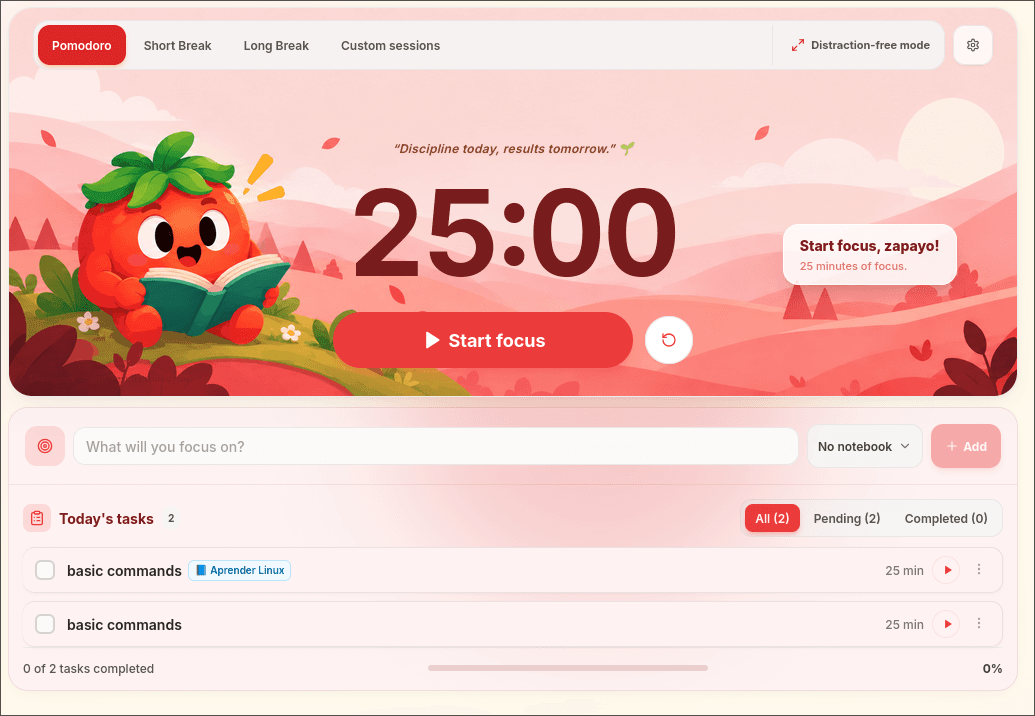
Try one session with the study timer. Write a concrete output before starting and a short restart note afterward. For a 50-minute opening, you might use 25 minutes of work, a five-minute break, and 20 minutes of follow-up.
5. Revise the plan when your work schedule changes
If your manager adds a Thursday shift, do not simply push everything into Thursday night. Check what is due first, move the highest-priority session to a genuine opening, and reduce the scope of optional work. If a deadline is no longer realistic, contact the instructor early with a specific question or request.
Keep a small restart note such as “I finished questions 1–4; question 5 needs the lecture example.” This helps you resume after a shift without rereading everything. For material you need to remember, plan another encounter later: UC San Diego's spaced-practice guide recommends distributing study across sessions rather than concentrating it all just before an exam.
Worked example: the shift changes, but the deadline stays
Suppose Thursday's 50-minute statistics session is lost to an extra work shift. Biology is still due Friday, and the statistics quiz is next week. Keep Friday's submission session in place, then look for an opening for statistics before the quiz.
Perhaps Saturday has 55 minutes between another commitment and work. Set aside 15 minutes for travel and ten for eating or getting settled. That leaves a 30-minute study opening, not 55 minutes of uninterrupted practice. Choose a smaller output: attempt two questions and write down which step needs help. Move the remaining practice to the next available session.
This makes the trade-off visible. You have preserved the nearer deadline and reduced Thursday's missed session to work that fits Saturday, while keeping the unfinished part on the plan.
- Before the shift: open the problem set and mark the two questions you will attempt.
- After the session: save the attempted answers and one specific question to revisit.
- At the weekly check: compare planned sessions with what actually happened, then adjust next week's estimates.
Copy this weekly planning checklist
- Check shifts, classes, deadlines, and travel time.
- Choose the assignments that need progress this week.
- Write the first visible action for each one.
- Assign those actions to realistic openings.
- Leave space for changes and unfinished work.
- Review what happened before planning the next week.
For the final week before an exam, use the seven-day finals study plan. If your material is a lecture deck, the lecture-slide study workflow shows how to turn it into practice questions.
Frequently asked questions
How do I study after a tiring work shift?
Choose the work before the shift ends so you are not deciding from scratch at home. If you still have a useful opening, try one bounded action, such as checking two citations or preparing tomorrow's practice questions. Move demanding work to an earlier opening when possible. If you are too tired to work usefully, update the plan rather than borrowing time from sleep.
Should I study every day if I work part-time?
You do not need an identical daily schedule. Choose sessions that fit your commitments, and revisit important material on more than one occasion when possible. A missed day is a reason to update the plan, not abandon it.
Can I use Pomodomate with my existing calendar?
Yes. Keep appointments and shifts in your existing calendar and use Pomodomate's focus timer during the work sessions you choose. This approach does not require an automatic calendar integration.